


jogo do Brasil hoje: Match Previews and League Analysis in Brazil in 2026
Kick-off Times
This block sits near the editorial guide on purpose: skim the times here, then use the longer copy below for how to read form, injuries in outline, and what a 'must-watch' actually means.
A good preview starts before kickoff: it brings together the context of the round, the teams’ current form, possible lineup changes, and factors that could affect the pace of the match. This page focuses on jogo do Brasil hoje and the matchups that matter to Brazilian audiences, with attention to domestic competitions, continental tournaments, and national team matches when the schedule is confirmed. The jogo do brasil hoje kickoff time should be checked alongside the date, the stated time zone, and any official updates, as schedule changes may occur.
The analyses below do not invent scores, confirmed lineups, or future results. They explain what to watch, how to interpret recent form, and why the context of each competition matters. To follow the round, compare the information in this preview with official notices from the clubs and tournament organizers.


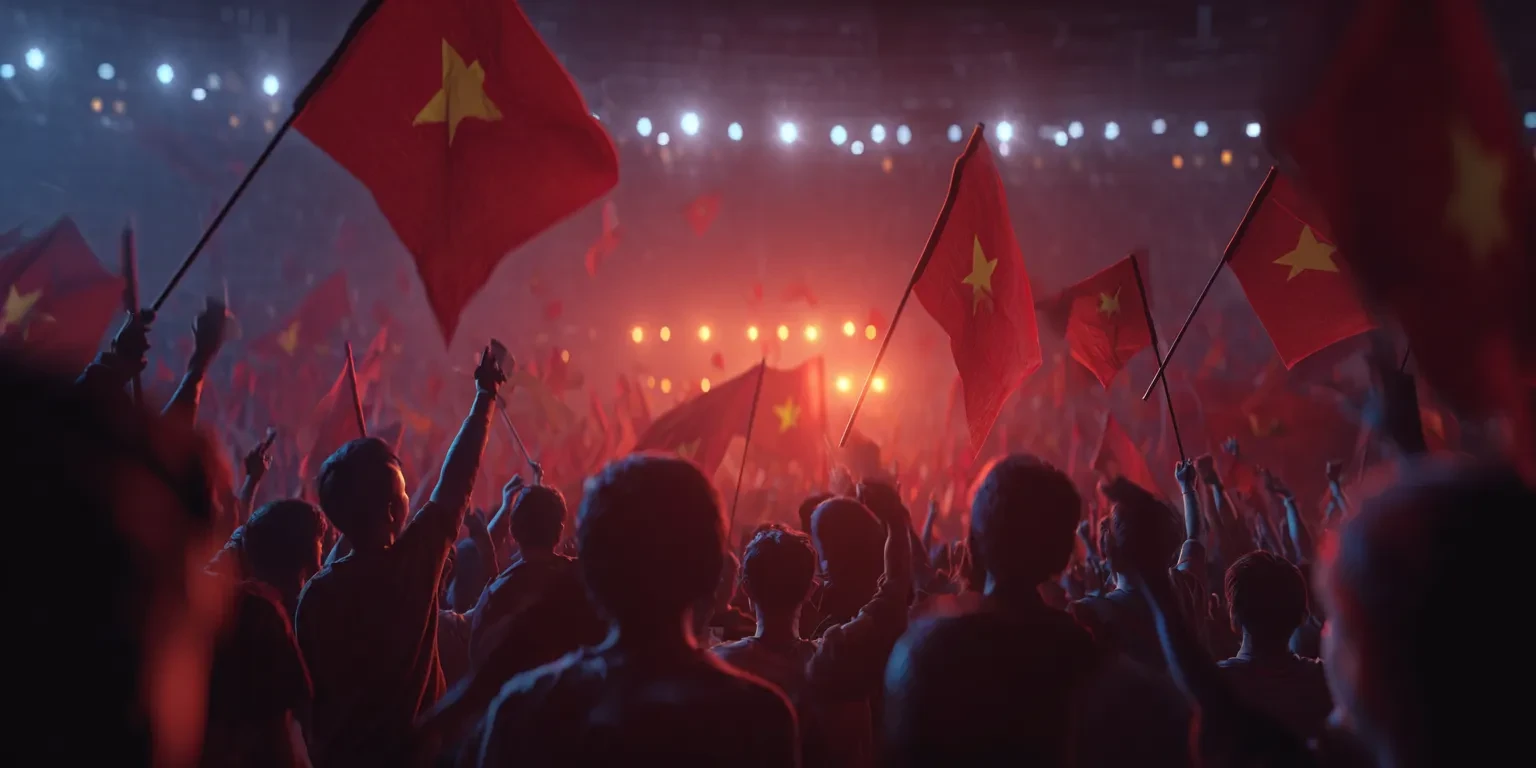

How to analyze upcoming matchups
A useful preview does not try to guess the score. It raises relevant questions: which team controls possession better, who can advance down the flanks, how each coach responds to pressure, and what effect the schedule may have on intensity. In knockout matches, risk management often changes depending on the aggregate score and the stage of the tie; in a league decided over many rounds, consistency across several matchdays matters more than a single performance.
When looking for a jogo do Brasil hoje match preview, start by correctly identifying the event. Confirm the team names, competition, stadium, and time announced by the organizers. Then look at the recent run of form in context: five matches can help reveal patterns, but opponents, travel, red cards, and rotation make direct comparisons imperfect. An unbeaten run, for example, does not by itself show whether the team created enough chances or relied on decisive saves.
Home advantage also deserves careful consideration. Home performance may reflect familiarity with the pitch and local support, while an away team may adjust its pressing to protect space. Even so, a pattern is no guarantee of what will happen in the next match. Coaching changes, a congested schedule, and weather conditions can alter the plan. That is why we treat trends as signals to investigate, not definitive predictions.
In Brazilian competitions, distances between cities, consecutive trips, and the proximity of cup matches can influence the choice of starters. Compare the round’s schedule with the sporting importance of each fixture. A team may rest players for one match and field a different setup a few days later; this needs to be confirmed with recent information, not assumed based only on the club’s name.
When following tomorrow’s matches or the round’s schedule, always distinguish between an announced time and an estimated time listed in older publications. The scores page may be updated when organizers change the schedule. New readers can focus on the date, competition, and status of the match; more experienced football followers can also consider pressing by zone, set-piece efficiency, and use of the channels.

Lineups, absences, and tactical balance
Official lineups are usually announced close to kickoff. Before then, a responsible preview distinguishes confirmation from possibility: injuries reported by the club, suspensions recorded by the competition, and fitness concerns mentioned in interviews do not carry the same degree of certainty. When information has not yet been confirmed, it should remain identified as uncertain rather than turning speculation into news.
An absence can affect more than the position occupied by the player. For example, losing a defensive midfielder may reduce protection in front of the defense and force a midfielder to drop deeper. The absence of a fullback who advances well may lead the team to build through the middle, while the unavailability of a target striker may favor runs in behind. The impact depends on the available replacements and the coach’s playing style.
Also consider minutes played. Players who have featured in consecutive matches may be rested, especially when travel or important fixtures are coming up. This does not necessarily mean a drop in quality: well-planned rotation can preserve intensity, although it may affect chemistry and established patterns. In a pre-match analysis, it is worth comparing the likely setup with the formation used in recent matches, without treating a projected lineup as official.
The tactical battle may emerge in specific areas. A team that presses high will try to win the ball back near the opposition’s penalty area; if the opponent is secure in possession, the space behind the press may become important. A deeper block, meanwhile, can protect the central area and concede possession while waiting for quick transitions. The battle for second balls and the fullbacks’ defensive cover help explain how these plans meet.
For fans following the Brazil national team, the context changes with the schedule: friendlies, qualifiers, and decisive stages have different objectives. Call-ups, international travel, and preparation time can affect how the squad comes together. For clubs, the analysis should consider coaching continuity, bench options, and the run of fixtures. This page prioritizes verifiable information and recommends checking official announcements before treating any absence as definite.

Treat projections as hypotheses and check the source of the information.
Compare roles and changes, not just the list of names.
Watch for adjustments, substitutions, and changes in the pace of play.
Head-to-head history without jumping to conclusions
The history between two teams provides context, but it is not a script for their next meeting. Squads, coaches, competitions, and circumstances change; as a result, an old run of results may have little explanatory value. Rather than repeating scores without context, this preview highlights aspects that can be compared cautiously: how often matches have been close, styles that cancel each other out, the importance of home advantage, and recent changes in tactical identity.
When reviewing previous meetings, check whether they took place in the same competition and under comparable conditions. A cup match in which a team needs to chase a result may differ from a league fixture where both teams are managing their energy. It is also important to distinguish recent matches from meetings in seasons long past. If the coach has changed or several starters have left the club, the past describes a story, not necessarily the current team.
Data on shots, possession, and set pieces can enrich the analysis, provided the source and period are clear. High possession does not automatically mean effective dominance; the number of shots alone does not reveal the quality of chances either. Indicators should be interpreted together with video, player positioning, and the scoreline. When a statistic is unavailable or has not been verified, it is better not to provide an approximate figure.
In Brazilian derbies, the atmosphere and rivalry can raise the intensity, but they do not replace analysis of what happens on the pitch. The strategy for managing emotions, avoiding fouls in dangerous areas, and protecting against defensive transitions can be just as important as individual quality. In continental matchups, travel, altitude, or adapting to the stadium may also be relevant, provided they apply to the specific match.
The goal is to reach kickoff with better questions: which area could decide the contest? What adjustment could change the shape of the game? Is a player returning from injury whose minutes need to be monitored? Answers come from following the match, not from prior certainties. This approach works both for newcomers and for those who already follow advanced metrics and want to separate evidence from impressions.

Competitions and matchups to follow this season
The cards below highlight real competitions and offer ways to explore them, without stating dates, lineups, or results that require up-to-date confirmation. Check each matchup against the official schedule before kickoff.

Campeonato Brasileiro Série A
Football · round-robinThe long competition rewards consistency, squad depth, and performance at home and away. Compare recent form with travel and cup matches; a short-term trend does not replace the season-wide picture.
View sports coverage
Copa do Brasil
Football · knockout tournamentThe knockout format makes every tactical decision especially important. Consider the state of the tie, time management, and options on the bench, always confirming the rules and schedule for each round through official sources.
View sports coverage
Copa Libertadores
Football · continental tournamentTravel and different environments can influence tempo and strategy. Follow how clubs balance continental matches with the domestic schedule, and check whether any squad changes have been officially announced.
View sports coverage
UEFA Champions League
Football · European clubsThe tournament brings together varied styles and high-level matchups. For a clear assessment, consider pressing, playing out from the back, and squad depth, as well as the stage of the competition and each team's schedule.
View sports coverage
Premier League
Football · English leagueIntense tempo, transitions, and physical contests often shape the coverage. Compare recent form with available rest and squad rotation; the standings make more sense when considered alongside the run of opponents.
View sports coverage
La Liga
Football · Spanish leagueControlling space and building patiently can be central to many matchups. Observe how each team advances through the middle or down the flanks, and whether it can protect its defense after losing the ball.
View sports coverage
Serie A
Football · Italian leagueDefensive organization and positional adjustments offer useful points for analysis. Follow the distances between units, the forwards' movements, and the impact of potential absences on the team's overall structure.
View sports coverage
Bundesliga
Football · German leagueQuick transitions and coordinated pressing can open up matches, but the plan varies depending on the opponent. See how teams balance aggression and defensive cover, especially against attacks that exploit space in behind.
View sports coverage
Brazil national team
Football · international scheduleSquad selections, preparation, and player availability are essential to understanding each fixture. Follow announcements from the coaching staff and distinguish friendlies, qualifiers, and decisive stages before assessing the context.
View sports coverageHow to read schedules, scores, and standings
Check information in context
- ✔ Confirm the competition and stage before comparing teams.
- ✔ Check the date and time in the stated time zone; the jogo do brasil hoje kickoff time may change following an official update.
- ✔ Distinguish between a scheduled match, a match in progress, and a completed event.
- ✔ In the standings, check matches played, tiebreakers, and outstanding fixtures.
- ✔ Use recent form as context, not as a guarantee of future performance.
Responsible updates
Scores and schedules are dynamic information. The competition organizer and clubs are the authoritative sources for postponements, lineups, and suspensions. If an earlier publication conflicts with a more recent announcement, rely on the official update. This page does not publish fabricated results: any illustrative data should be identified as an example, and analyses are presented without promising an outcome.
For a complementary overview, visit jogodobrasilhoje.pro and compare the information with the tournament's official channels.
Frequently asked questions about previews
How do I find out what time Brazil plays today?
Check the competition schedule and confirm the date, time zone, and any changes close to kickoff. The phrase may refer to the national team or Brazilian clubs, so first identify the specific event. If an old schedule conflicts with a recent official notice, use the update published by the organizer or club.
Does a preview provide the official lineup?
Not necessarily. Before the official announcement, analyses may describe players as likely starters or doubts, but that is not confirmation. The lineup is usually published close to the match. Check for updated announcements and note whether the information concerns an injury, suspension, fitness management, or a tactical decision, as each situation means something different.
How should I interpret a team's recent form?
Use the recent run as a starting point and consider the opponents, home advantage